- Products
- Software
- Machinery
- Services & Support
- Videos
- About Us
- Contact Us
-
-
-
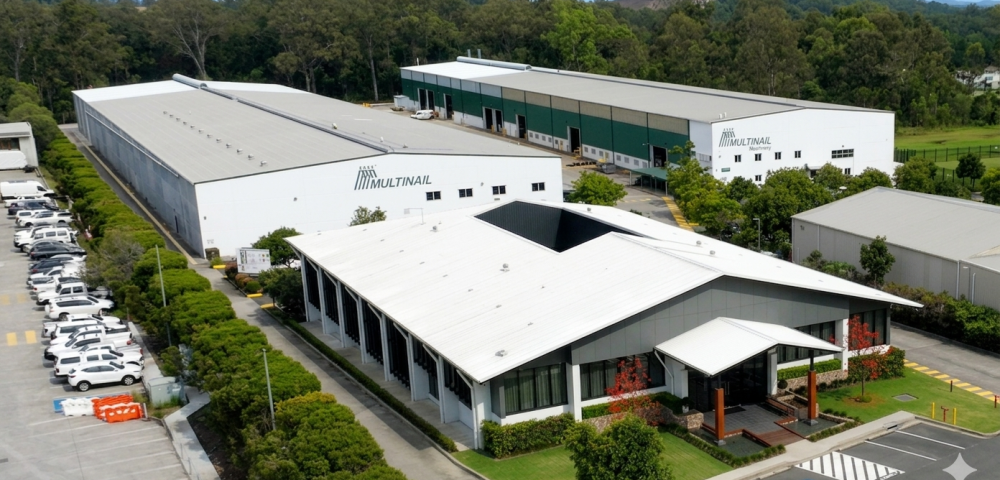
Multinail’s Technology and Manufacturing Centre
-
-
-
-
Multinail Pty Ltd.
-
-
-
-
-
- Our Fabricators
- Products
- Multinail Advance
- Software
- Machinery
- Machinery Solutions
- One Touch System
- Services & Support
- Estimating & Design Solutions
- Videos
- About Us
- Contact Us
-
-
-
Multinail’s Technology and Manufacturing Centre
Multinail Pty Ltd.
-
-
-
- Our Fabricators
Our Story
For over 45 years, Multinail has been built on resilience, relationships, and relentless innovation.
Behind today’s smoothly efficient products is a journey that has been anything but smooth — a journey marked by challenges, determination, and a belief that doing the right thing matters.
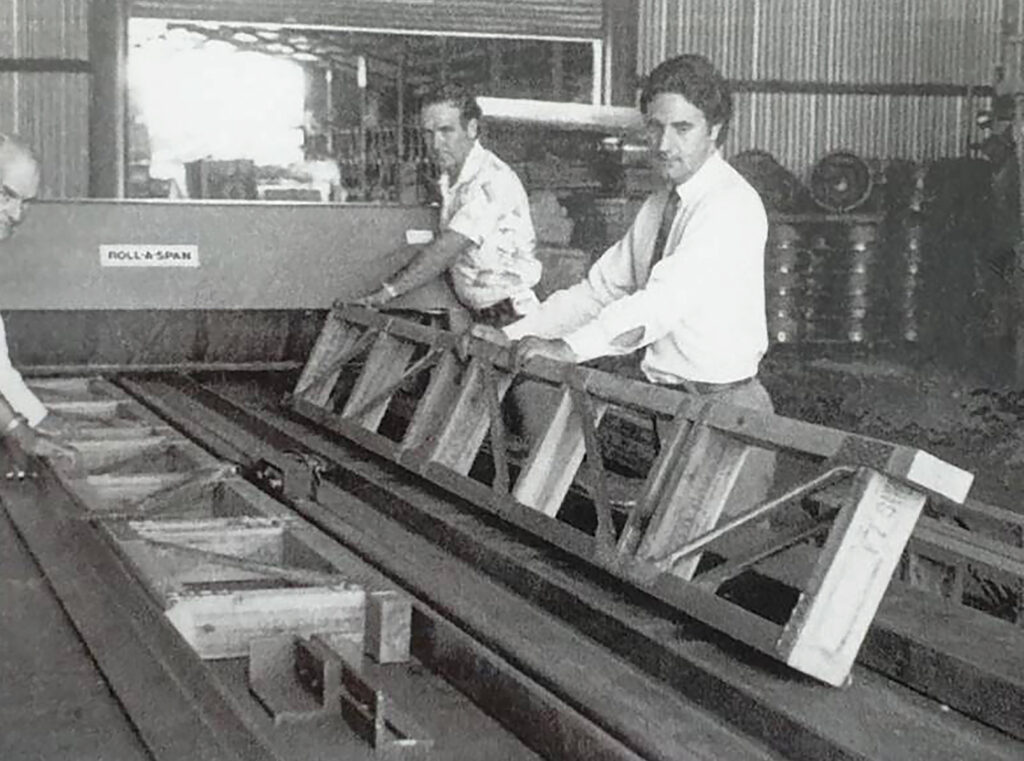
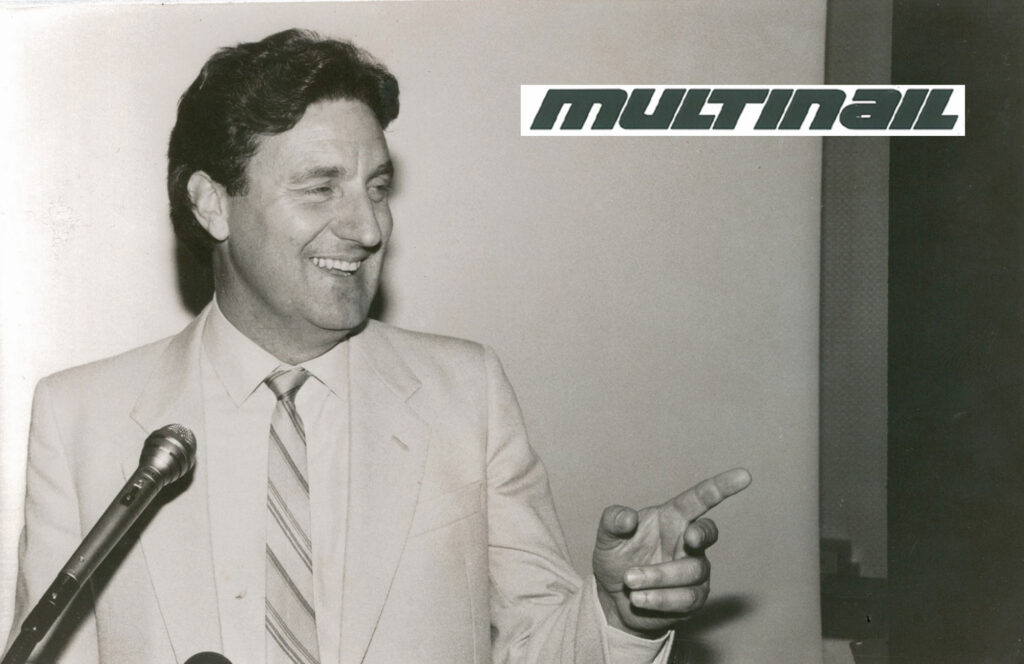
Founded in 1979 by engineer Peter Taylor, Multinail began with a simple but powerful idea: support timber fabricators with better products, better service, and genuine partnership. What followed was not an easy road — but one that shaped the company’s character and culture for decades to come.
Starting Out
In the late 1970s, Peter was managing Sanford Truss Australia. Differences with corporate owners, combined with encouragement from customers who valued his integrity and technical expertise, led him to strike out on his own. He believed the strong relationships he’d built would carry him forward.
Those plans were quickly disrupted when a competitor acquired Sanford Truss outright, removing what would have been an early customer base almost overnight.
“It was a tough struggle — by the time Sanford Truss was purchased, I was already committed. I had a choice to drop everything or keep pushing forward,” Peter recalls.
With a young family to support, walking away was never really an option.
That early persistence paid off when Reg Hubbard of Hastings Trusses introduced Peter to Jim Cheney, who was just starting Westruss in Port Macquarie. Westruss became Multinail’s first external customer — and remains a loyal partner to this day.
Building Through Hardship
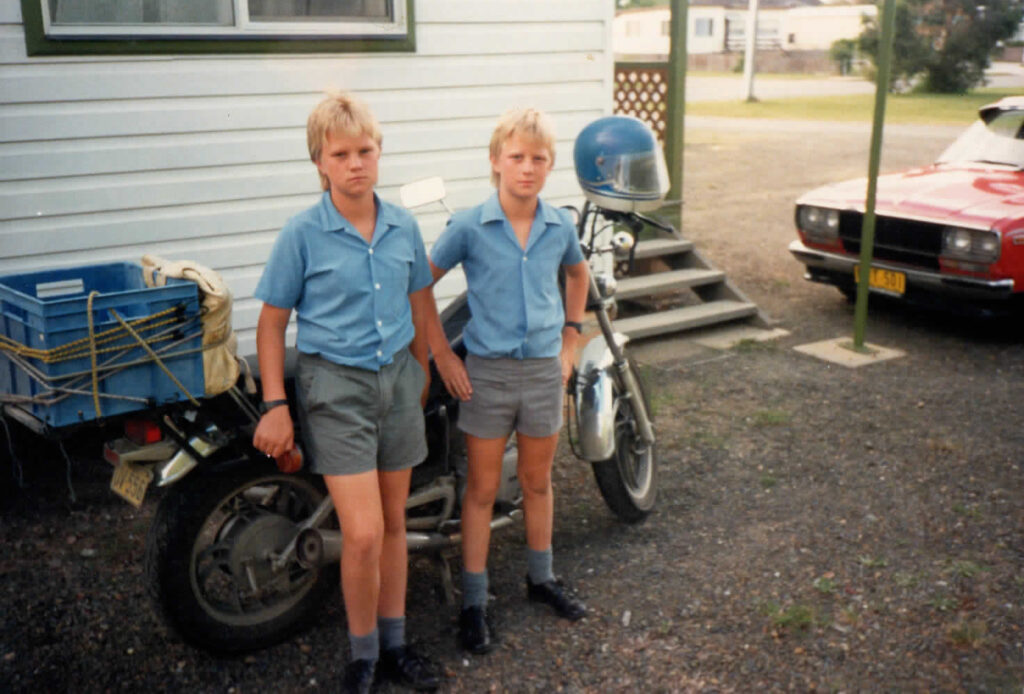
Like many small businesses in their early years, cashflow was tight. The Taylor family did whatever it took to keep the business alive. Trent and Travis Taylor remember selling plants by the roadside and at local markets after their parents grew them at night to generate income.
The challenges didn’t stop there.
A minor cyclone in the early 1980s tore through Multinail’s Wauchope site, blowing out windows, lifting the roof, and scattering parts of the factory across neighbouring properties. Insurance covered the damage, but recovery required enormous effort.
Then came an Easter weekend accident where a semi-trailer carrying 24 tonnes of nail plate rolled near Kempsey. The insurance claim was rejected, with the plates deemed resalable.
“I wasn’t willing to send compromised product to customers,” Peter says. “So we buried the entire load. Watching that wasn’t easy.”
What made the difference — time and again — was people.
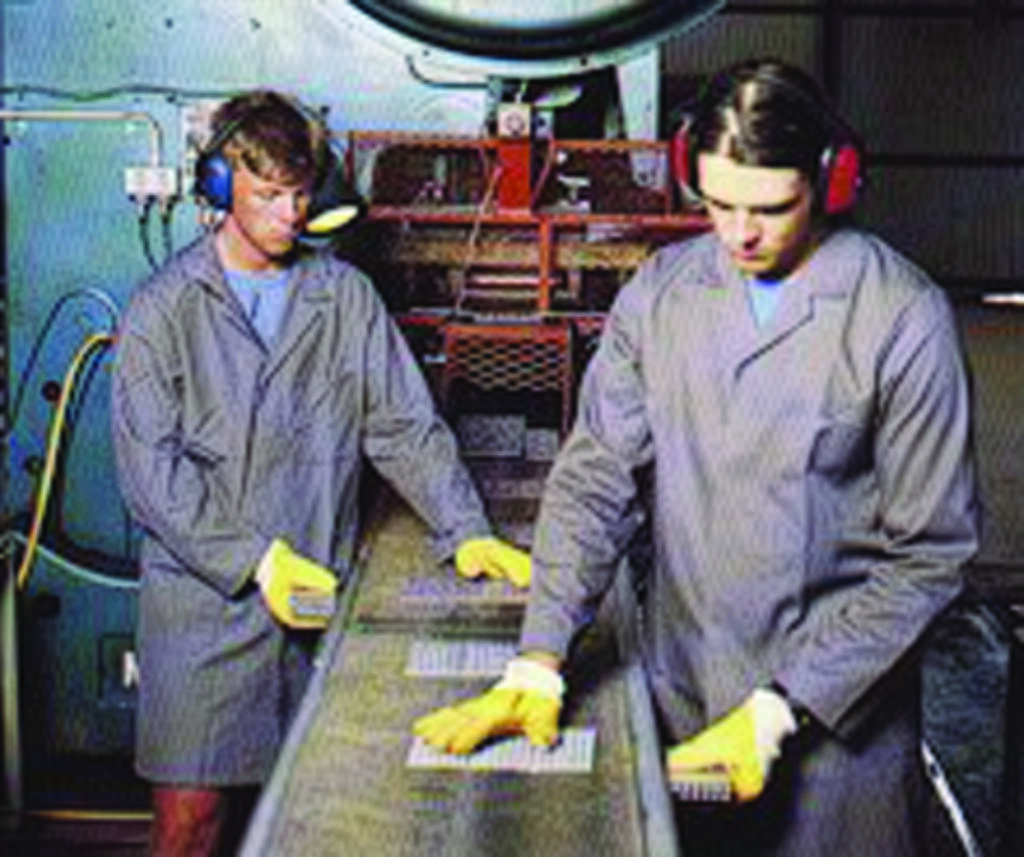
With Brisbane fabricators waiting for urgent deliveries, Multinail’s stamping team was called in over Easter. They turned up, pulled together, and made it happen.
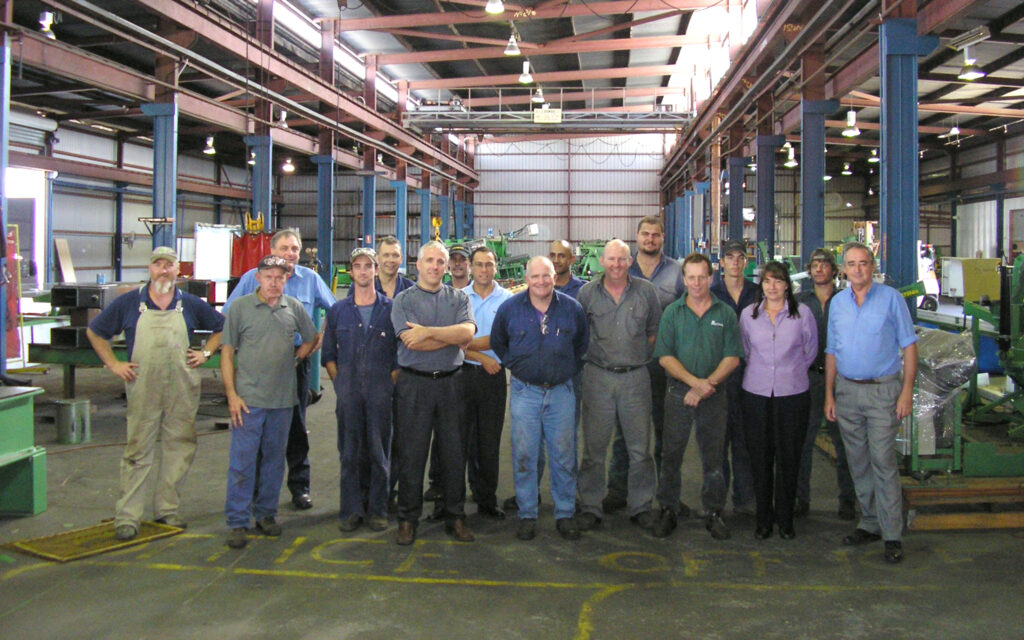
“We didn’t let anyone down because of our staff,” Peter says. “That’s always been the foundation.”


A Culture That Endures
One of the most influential figures in Multinail’s early years was Doug Dobinson, who joined the company at 65 as a part-time bookkeeper and quickly became indispensable.
Doug moved seamlessly between bookkeeping, production, dispatch, and people management — all while bringing humour, warmth, and an unmistakable larrikin spirit.
“A lot of our culture traces back to Doug,” Peter reflects. “He brought people together into a productive, caring team that knew how to work hard — and enjoy it.”
That culture still defines Multinail today.
Growth, Setbacks, and Resolve
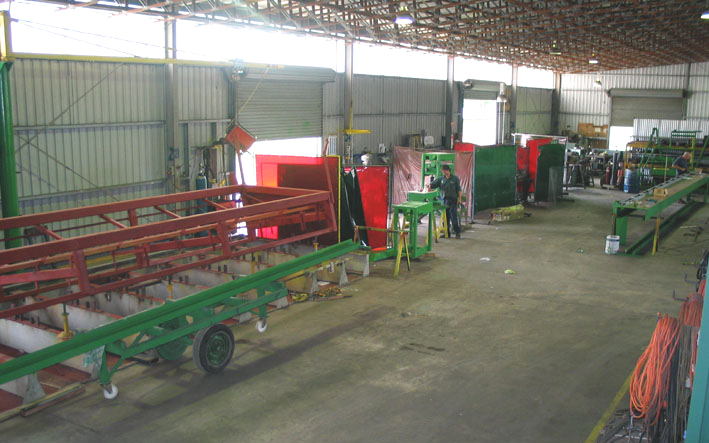
As the business grew, Multinail expanded into machinery — only to have its newly built shed burn to the ground, destroying equipment and halting production.
Soon after, the company faced its greatest challenge: the sudden loss of one-third of its customer base due to contract breaches induced by a major competitor. The legal battle that followed took eight years to resolve and became a landmark commercial case in Queensland.
“We lost sales overnight, paid significant legal fees, and had to let staff go,” Peter says. “It nearly broke us.”
In the end, Multinail prevailed. The ruling affirmed what the company had always stood for — integrity, fairness, and long-term relationships.
That experience only strengthened the resolve to build something enduring.
People First — Always
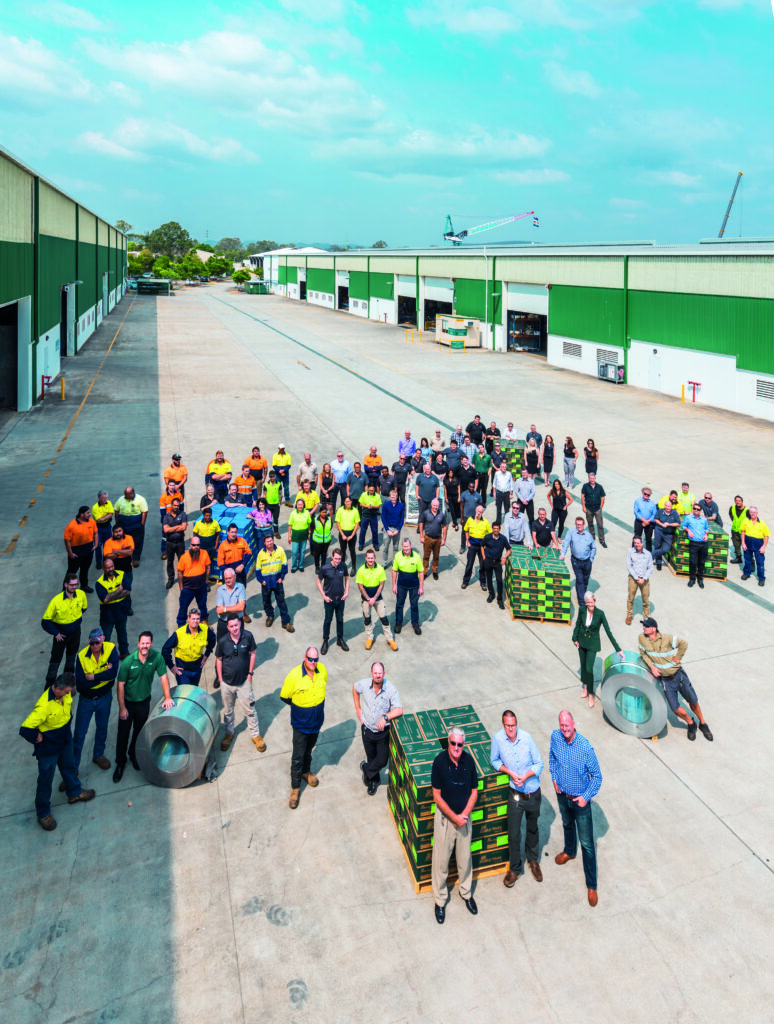
Multinail’s approach has never changed: treat staff and customers with respect, and relationships will endure.
“Our customers are mostly family businesses,” Peter explains. “We treat them the same way we treat our staff — as part of an extended family. They’re not numbers.”
That philosophy carried the company through broader challenges too, including the Global Financial Crisis.
“While others downsized, we held onto our key people,” says Travis Taylor. “It was tough, but everyone pulled together. That resilience came from culture.”
Investing in Innovation
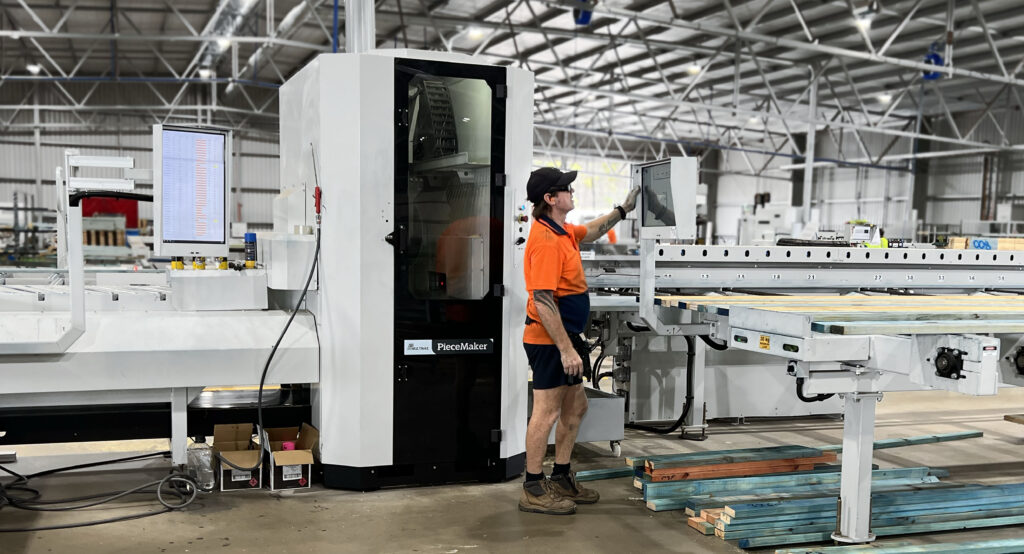
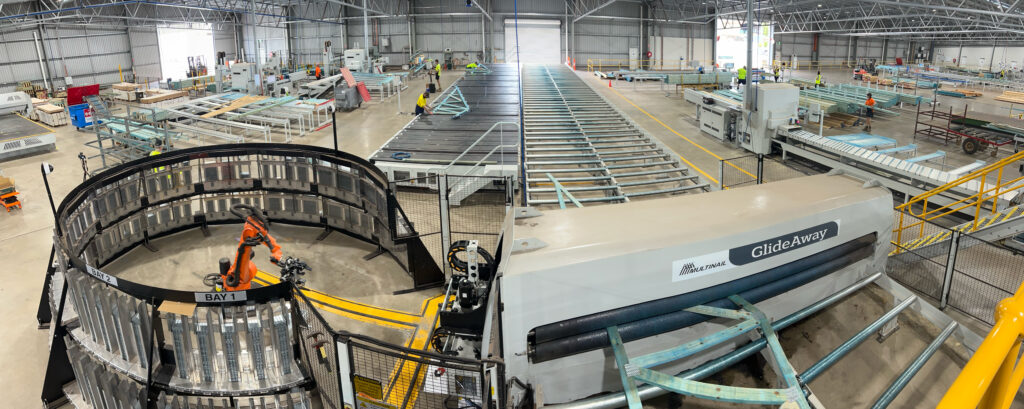
Today, Multinail is recognised as an industry leader — particularly in machinery.
That reputation stems from an early lesson. After outsourcing machinery that catastrophically failed, Peter made the decision to bring design and manufacturing in-house.
“We over-spec and over-engineer,” says Trent Taylor. “Some call it agricultural engineering — we call it reliability.”
By controlling quality, servicing, and development, Multinail transformed from a supplier into a complete solutions partner for the frame and truss industry.
Strategic acquisitions and ongoing R&D investment have since expanded the company’s global reach, with machinery solutions now supporting customers well beyond Australia.
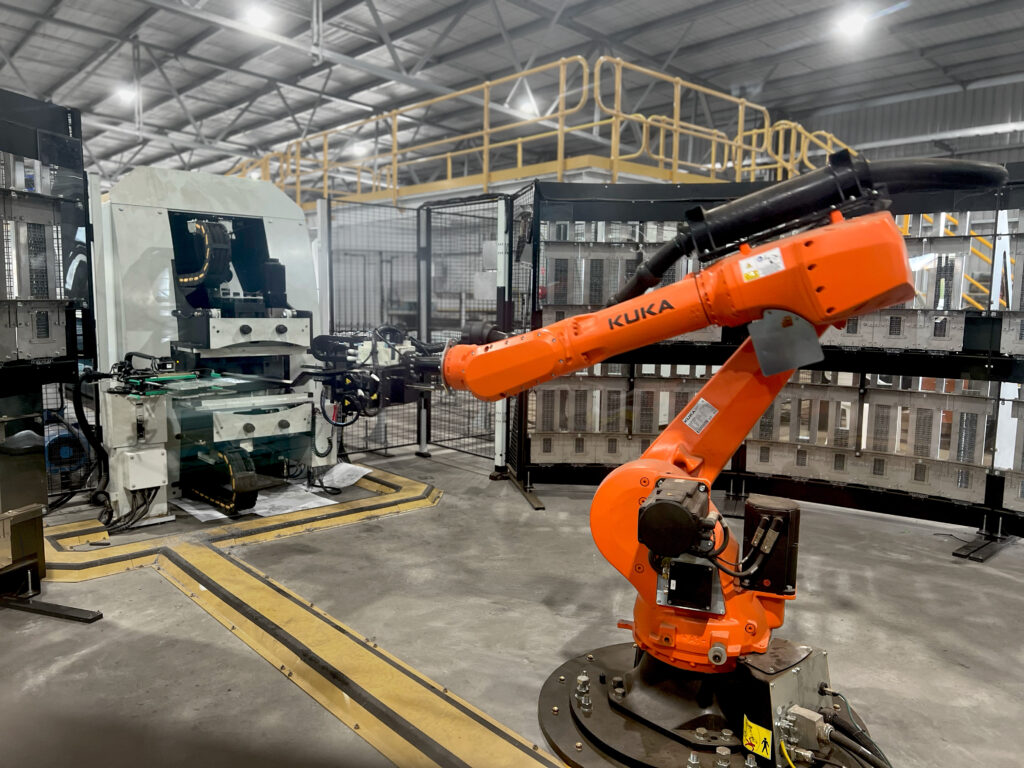
Innovation remains central — from automation and robotics to advanced software and data-driven manufacturing.
“These technologies are changing productivity, safety, and what’s possible in timber construction,” Trent says. “It’s an exciting time.”
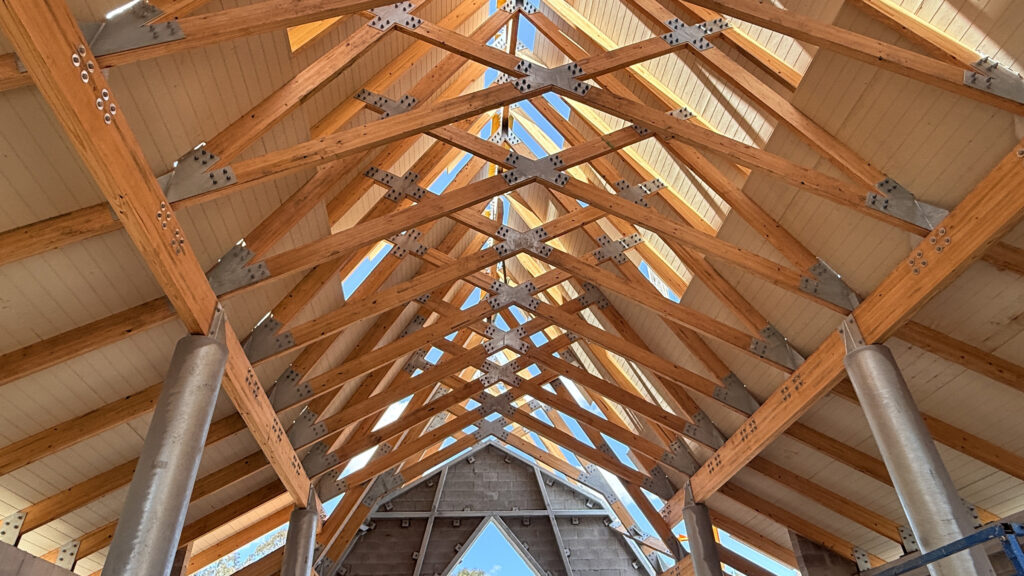
Looking Forward
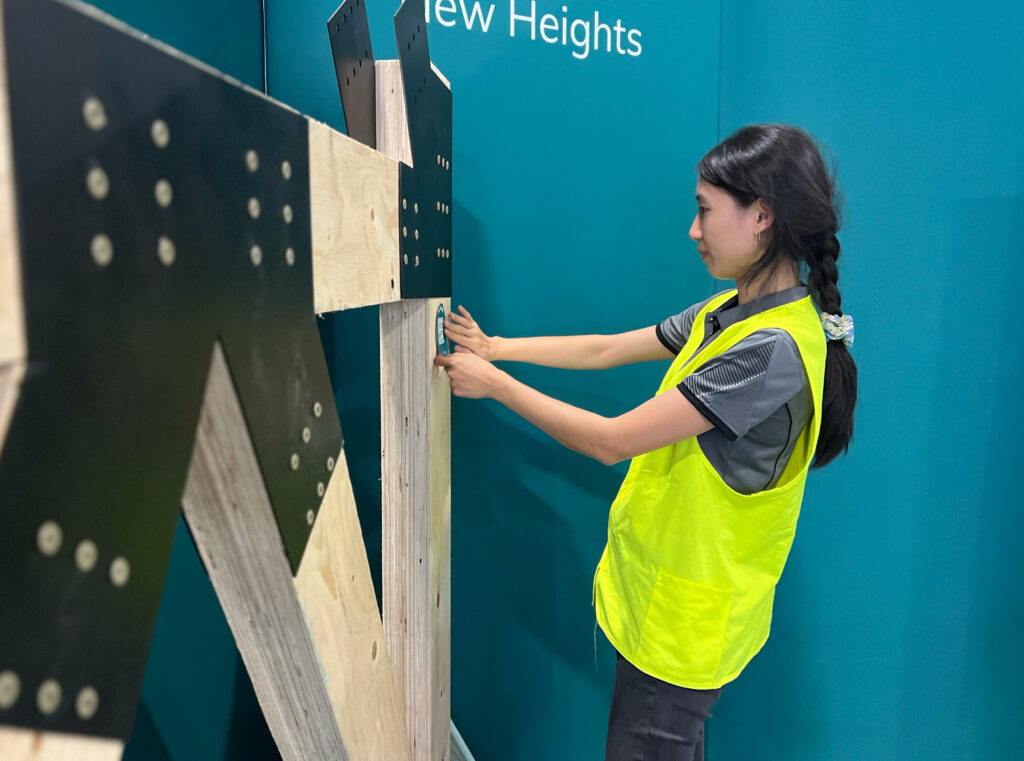
The future of construction is evolving. Mid-rise buildings, offsite manufacturing, and engineered timber are opening new opportunities — and Multinail is committed to helping customers lead that change.
“Builders are rethinking steel and concrete,” Peter says. “They’re looking to timber for smarter, more sustainable solutions — and they’re coming to us with bold ideas.”
Reflecting on more than four decades in the industry, Peter sums up Multinail’s enduring philosophy:
“Surround yourself with exceptional people. Treat everyone with respect. Trust your team. Invest in technology. Never sit still. Keep learning — and bring your customers along for the journey.”
For over 45 years, those principles have guided Multinail. And they continue to shape where the company is heading next.